
You See the Issues. Now Lead the Change.
Social Issues
You’re not too young to lead. You’re not too small to make change. Real leadership starts when you say: “Enough.”
Healthcare: Lead with Compassion
Access to quality healthcare should be a right, not a privilege. For families living in underserved communities, a single unexpected medical event—like a hospital visit or long-term illness—can lead to devastating financial consequences.
Around the world, and right here at home, many go without treatment, live with preventable conditions, or make impossible choices between medicine and food. As someone stepping into leadership, your voice can be a force for justice in health systems. Whether you’re passionate about tech, policy, or grassroots action, your influence matters.
- What can you do to help ensure affordable, accessible care for everyone?
- How might you use technology or policy to close healthcare gaps?
- In what ways can youth bring fresh ideas to solve medical inequality?


Poverty: Break the Cycle
Poverty is more than a lack of money — it’s a barrier to opportunity, growth, and dignity. For young people, poverty often means going to school hungry, skipping medical care, or working jobs just to help their families survive. But it doesn’t have to stay this way.
Through youth leadership training, you have the chance to challenge the systems that allow poverty to persist. Whether you’re speaking up, creating new solutions, or organizing for change, your leadership can shift futures.
- What would it take to meet basic needs with dignity?
- How could you help families break out of poverty long term?
- What role can young leaders play in reshaping systems?
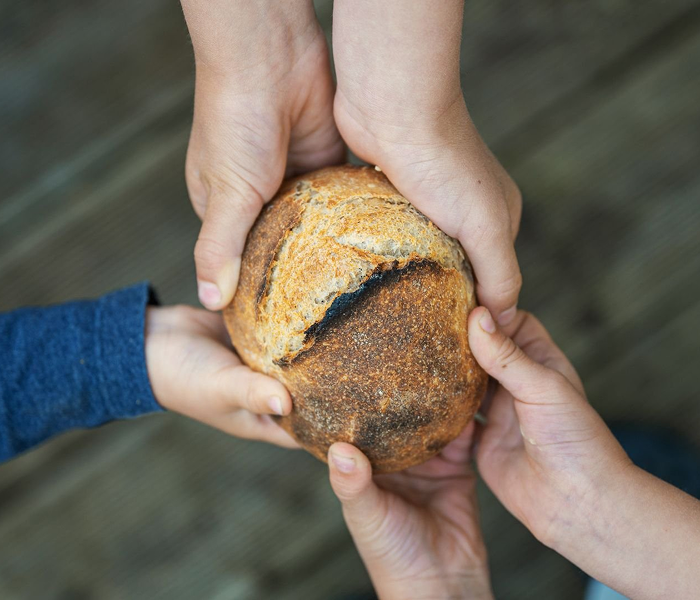
Hunger: Feed the Future
Hunger is one of poverty’s harshest symptoms, and it affects millions every day. Yet so much food is wasted, enough to feed entire regions. Ending hunger means going beyond short-term solutions and thinking about sustainability, access, and education. Youth-led ideas and action have already changed how communities grow and share food. With the help of youth leadership training, you can lead the next wave of change — building systems that are just, sustainable, and community-centered.
- How can we reduce waste and redistribute resources fairly?
- What local actions could impact global hunger?
- How can youth build long-term solutions that nourish everyone?

Human Trafficking: Fight for Freedom
Human trafficking robs individuals of their dignity and freedom. It hides in plain sight, affecting millions—especially the most vulnerable. But awareness alone isn’t enough. Real change requires leaders who are bold, informed, and ready to act.
Through leadership development, you gain the tools to stand up, speak out, and protect those who are exploited. You don’t have to wait to be older or in power. You can be a force for justice now.
- What systems allow trafficking to continue unchallenged?
- How can technology be used to prevent exploitation?
- What would it look like for youth to lead anti-trafficking work?
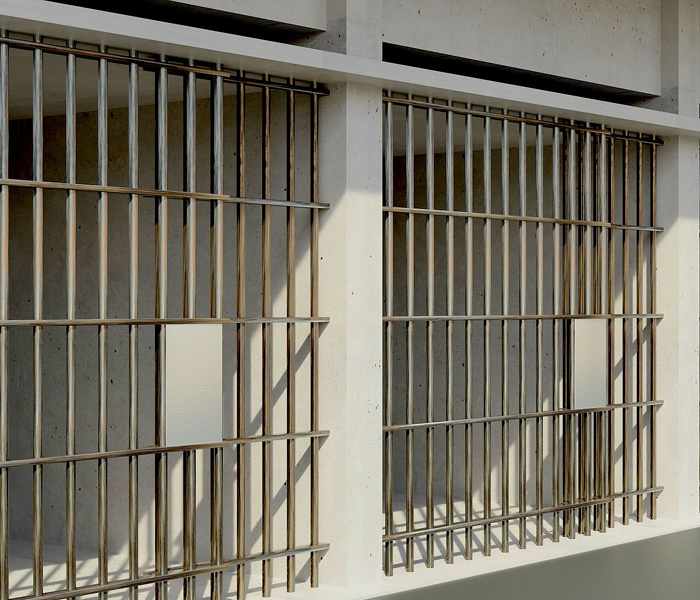
Mass Incarceration: Rethink Justice
The U.S. imprisons more people than any other country—and young people in underserved communities are often the ones most impacted. Why is that? And what can you do about it? Explore the roots of inequality and design solutions rooted in fairness, rehabilitation, and restoration. Justice should be more than punishment. It should be about healing and opportunity.
- How does the justice system disproportionately impact youth and people of color?
- What would a restorative approach to justice look like?
- How can young leaders change the narrative around crime and incarceration?

Substance Abuse: Heal the Roots
Substance abuse affects millions and damages lives, families, and futures. For many youth, drugs are an escape from trauma, stress, or instability. But real healing requires more than discipline — it takes understanding, support, and community.
Our leadership training helps you create environments that uplift others and prevent harm before it begins. You can be the kind of leader who brings hope and healing where it’s needed most.
- Why do young people turn to substance use?
- How can support systems replace cycles of harm?
- What role can youth play in creating safer, healthier spaces?
Violence: Disrupt the Cycle
From gun violence to domestic abuse, violence affects every corner of society. Often, it grows out of fear, pain, or the need to be heard. But cycles of violence don’t have to continue.
You have the ability to influence conversations, set new norms, and push for policies that value life and healing over retaliation. Change happens when people stop normalizing violence and start imagining peace.
- Why do people resort to violence, and how can that change?
- What role does empathy play in preventing harm?
- How can you be a peacemaker in your school, family, or city?

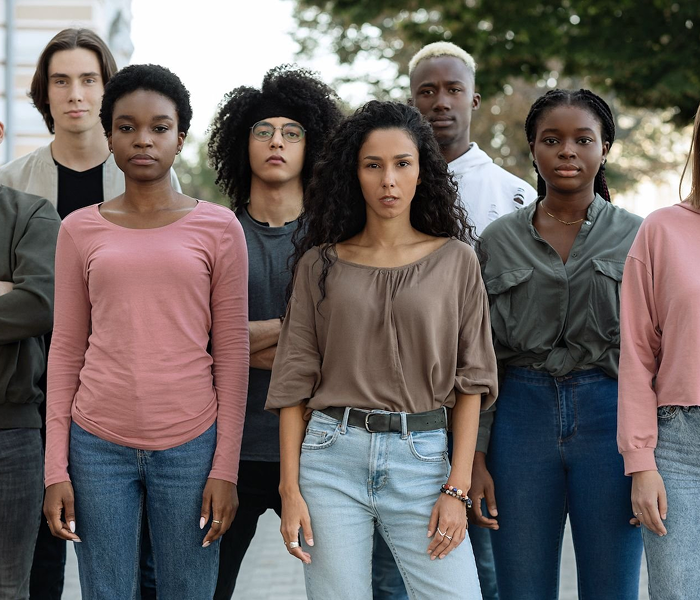
Discrimination & Racism: Lead with Respect
Prejudice keeps people divided and denies them equal opportunity. Whether it’s racism, sexism, or any kind of bias, discrimination strips people of dignity and belonging.
Young leaders like you are uniquely positioned to shift culture—by challenging ignorance, lifting others up, and living with integrity. Real change starts when you’re willing to listen, speak up, and lead by example.
- How can you call out bias while still creating unity?
- What does true equality look like in your community?
- How can you help build bridges instead of barriers?
Education: Redefine What’s Possible
Education opens doors—but many young people never get a real shot. Whether it’s underfunded schools, biased expectations, or overwhelming life circumstances, the system doesn’t always support every learner.
That’s where leadership development for young people makes a difference—helping you grow the skills and confidence to lead change from within. Through mentoring, advocacy, or even just showing up for others, your voice matters in building a future where every student can succeed.
- Why is education out of reach for so many?
- How can young people support one another in staying motivated?
- What kind of education system would truly work for all?

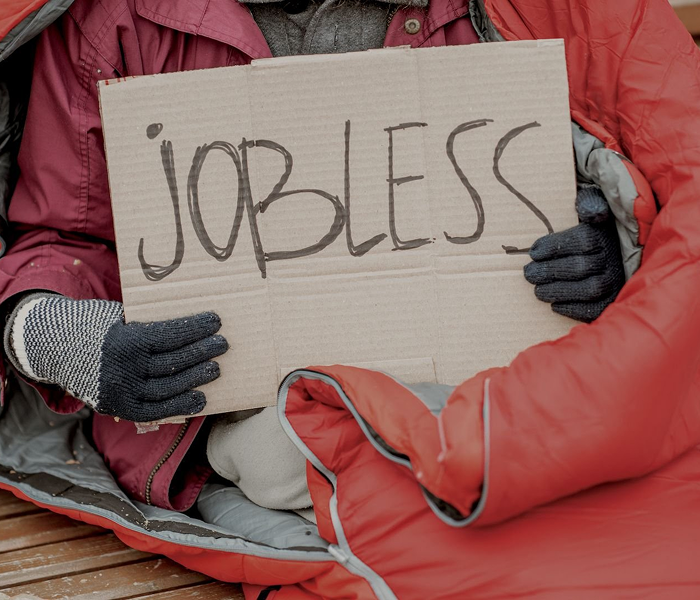
Employment: Build Fair Opportunity
A job should be more than a paycheck—it should offer dignity, purpose, and a path forward. But many young people face barriers like low wages, discrimination, and limited access to good jobs. Your leadership can help reshape the future of work, one that values people over profit and creates space for creativity, diversity, and growth.
- What does a fair and just job market look like?
- How can businesses be challenged to treat workers better?
- What skills or support do young people need to thrive?
Bullying: Create Safer Spaces
Bullying doesn’t just hurt—it isolates. It silences. Whether it’s in school halls or online, bullying is a form of violence that has real impact. But you have the power to shift culture. By showing compassion, standing up for others, and understanding pain behind the behavior, you can help make your spaces safe and strong.
- Why do people bully others, and what can stop it?
- How can you be an ally without becoming a target?
- What would a truly safe school or community look like?

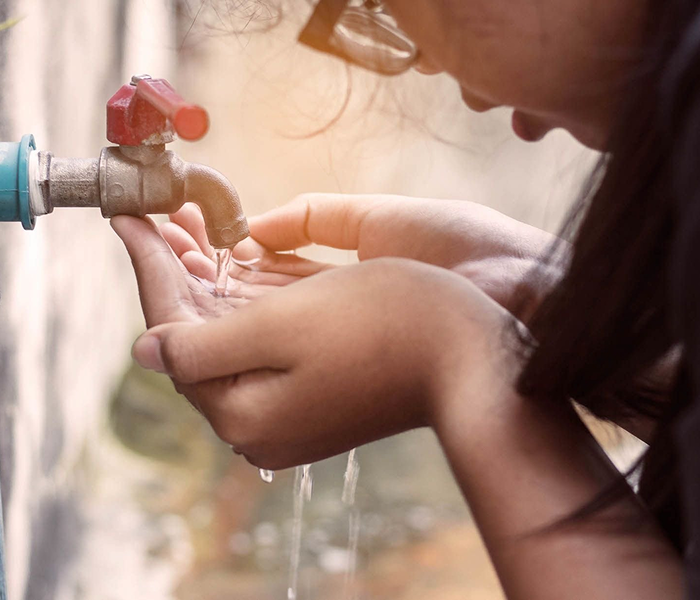
Clean Water: Protect a Basic Right
Water is life. Yet millions still live without access to clean, safe drinking water. This issue isn’t just about resources—it’s about justice, environmental stewardship, and basic human dignity. As a young leader, you can raise awareness, innovate new solutions, or take action in your own city to protect water for everyone.
- Why is clean water still not accessible for all?
- What’s causing water sources to be unsafe or depleted?
- How can your generation lead the charge for clean water access?
Newsletter Signup
Join Our Movement for Change
Be part of the movement. Get inspiring stories, real impact, and ways to fuel youth leadership development — straight to your inbox.